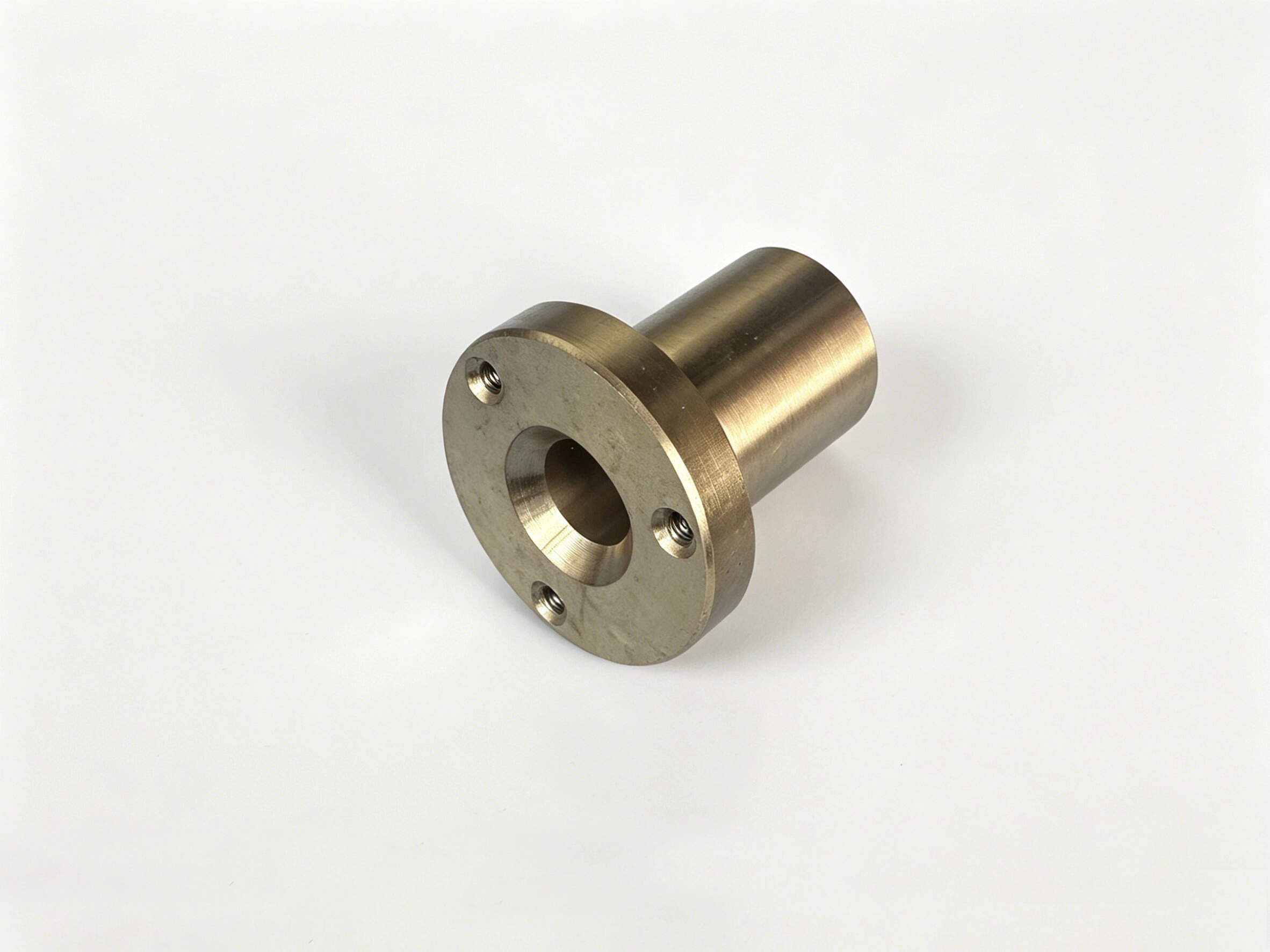
Copper CNC Machining
Copper is a high-performance metal with excellent electrical conductivity, thermal conductivity, ductility and corrosion resistance. It is widely used in precision components that require good electrical and thermal properties, being a key material in many industrial fields.
Machining Precision
Stable tolerance ranges from ±0.05mm to ±0.10mm for standard structural parts; precision components (such as electrical and electronic parts) can reach ±0.02mm ~ ±0.03mm with optimized processes.
Processing Difficulties & Our Solutions
Difficulty 1: High Ductility & Chip Clogging — Copper has high ductility, so chips are easy to curl and clog the tool during machining, affecting processing efficiency and surface finish.
Solution: Use sharp carbide tools with proper rake angle, optimize cutting speed and feed rate, and use high-pressure cutting fluid to flush chips in time, ensuring smooth machining.
Difficulty 2: Thermal Deformation — Copper has good thermal conductivity, and cutting heat is easy to transfer to the workpiece, causing dimensional deformation and affecting precision.
Solution: Adopt intermittent cutting to reduce heat accumulation, use cooling cutting fluid to lower workpiece temperature, and optimize clamping methods to reduce deformation.
Application
Widely used in electrical and electronic equipment, automotive parts, aerospace, medical equipment and automation industry, suitable for making electrical contacts, heat sinks, precision connectors and mechanical structural parts.
Our Processing Advantage
Under the ISO 9001 quality management system, we provide professional CNC machining services for copper. We support prototype, small batch and mass production, with mature process solutions to solve its machining difficulties, ensuring stable precision, good surface effect and on-time delivery for global customers.
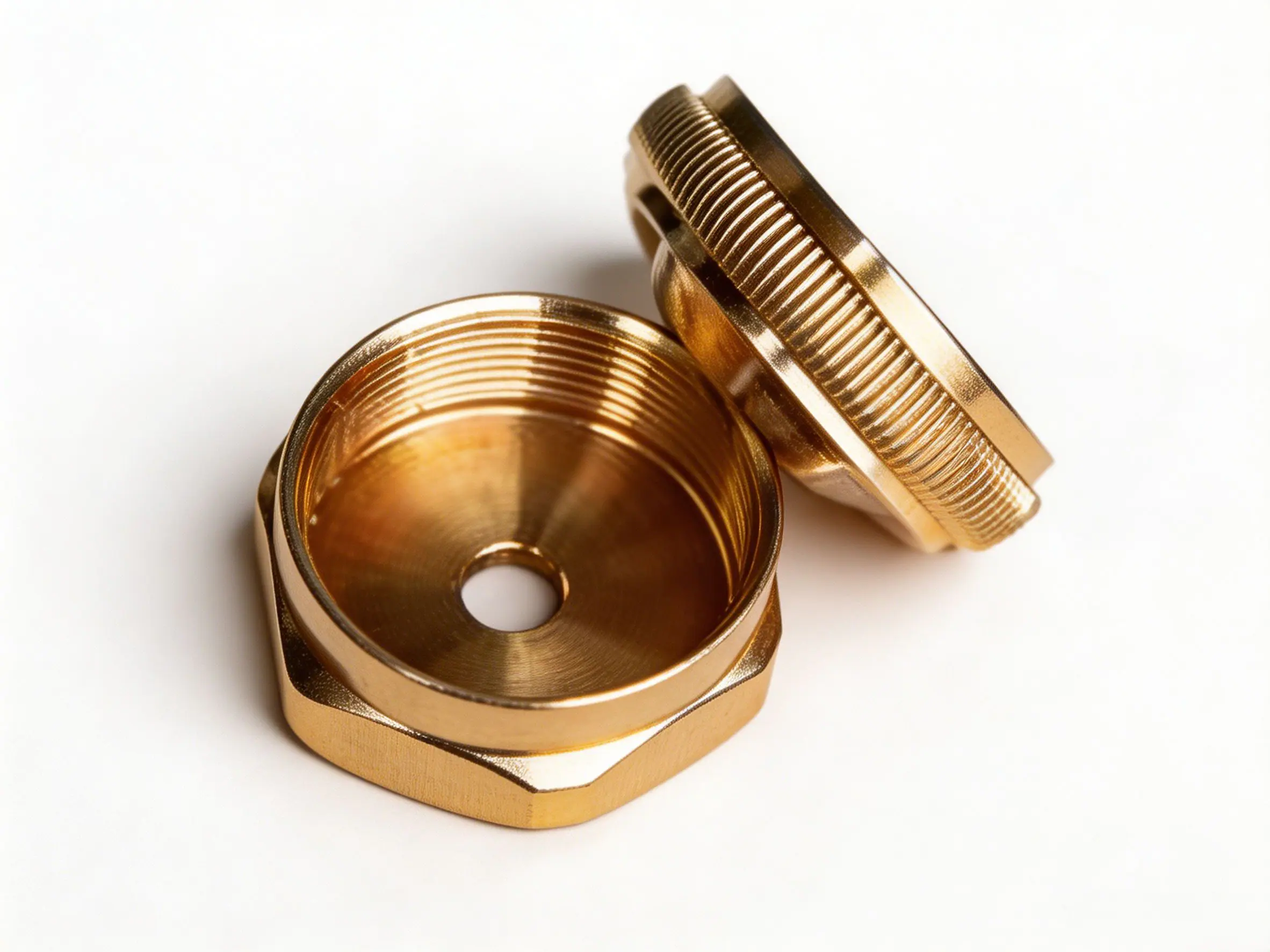
Brass CNC Machining
Brass is an alloy of copper and zinc, featuring excellent machinability, corrosion resistance, wear resistance and good electrical conductivity. It balances performance and cost, making it a widely used material in precision machining for various industrial fields.
Machining Precision
Stable tolerance ranges from ±0.05mm to ±0.10mm for standard structural parts; precision components (such as connectors and valves) can reach ±0.02mm ~ ±0.03mm with optimized processes.
Processing Difficulties & Our Solutions
Difficulty 1: Chip Adhesion & Tool Wear — Brass contains zinc, which is easy to cause chip adhesion to the tool during machining, and long-term processing will accelerate tool wear.
Solution: Adopt high-quality carbide tools with special coating, match with low-viscosity cutting fluid, and adjust cutting parameters to reduce adhesion and tool loss.
Difficulty 2: Surface Roughness — Improper cutting speed or tool selection can easily lead to uneven surface roughness of brass workpieces, affecting appearance and fit accuracy.
Solution: Use high-speed cutting technology and sharp tools, optimize tool path, and conduct post-processing polishing to ensure a smooth and uniform surface.
Application
Widely used in electrical and electronic equipment, automotive parts, plumbing fittings, precision instruments, and automation industry, suitable for making connectors, valves, gears, decorative parts and mechanical structural components.
Our Processing Advantage
Under the ISO 9001 quality management system, we provide professional CNC machining services for brass. We support prototype, small batch and mass production, with mature process solutions to solve its machining difficulties, ensuring stable precision, good surface effect and on-time delivery for global customers.