
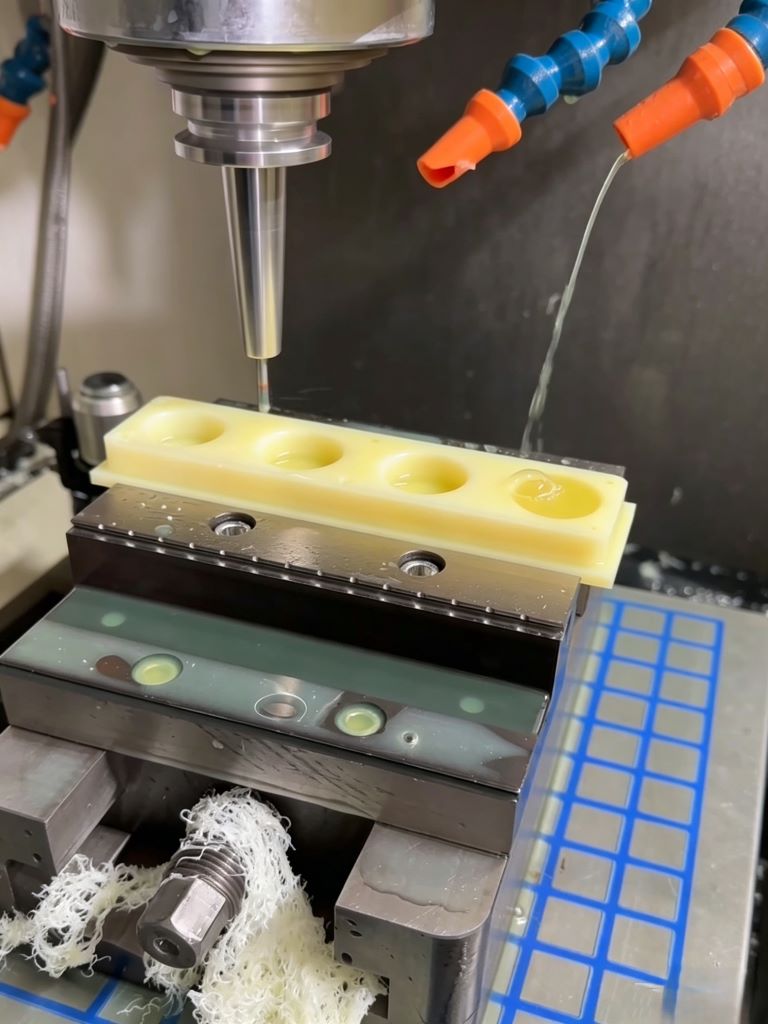
Custom Plastic CNC Machining Services & Precision Components
Zonclair specializes in precision plastic CNC milling and turning for engineering-grade polymers. We manufacture high-quality, custom machined plastic parts from premium materials including POM (Acetal), PTFE (Teflon), PPS, PEEK, Nylon, and Acrylic.
From rapid prototyping to low-volume and mass production quantities, we deliver lightweight, wear-resistant, and chemically resistant components. Our advanced facilities ensure reliable dimensional control with a typical machining tolerance of ±0.05 mm (tighter tolerances available upon DFM review).
Plastic CNC Machining You Can Trust
DFM Review Before Production
Every project is reviewed for material selection, geometry feasibility and manufacturability before machining begins.
Precision Inspection
Critical dimensions are verified according to customer drawings and inspection requirements.
Engineering Plastic Expertise
Experience machining POM, PTFE, PPS and other engineering plastics for demanding industrial applications.
Prototype to Production
Support for one-off prototypes, low-volume production and repeat manufacturing programs.
Custom CNC Machining for Engineering Plastics
Engineering-grade plastics offer exceptional technical advantages over traditional metal components, including significant weight reduction, superior corrosion resistance, high electrical insulation, and self-lubricating, reduced friction properties.
Despite these benefits, precision plastic machining presents distinct manufacturing challenges such as thermal expansion, workholding deformation, and micro-burr formation. Zonclair mitigates these risks by optimizing our plastic CNC manufacturing process with advanced tooling geometries, specialized high-speed cutting strategies, and custom fixture design to ensure tight dimensional stability.
As a premier plastic CNC machining supplier, we provide high-precision CNC milling and CNC turning services tailored for industrial applications. Our custom machined components are widely utilized in factory automation equipment, medical & analytical instruments, semiconductor manufacturing systems, and heavy-duty industrial machinery.
Available Plastic Materials
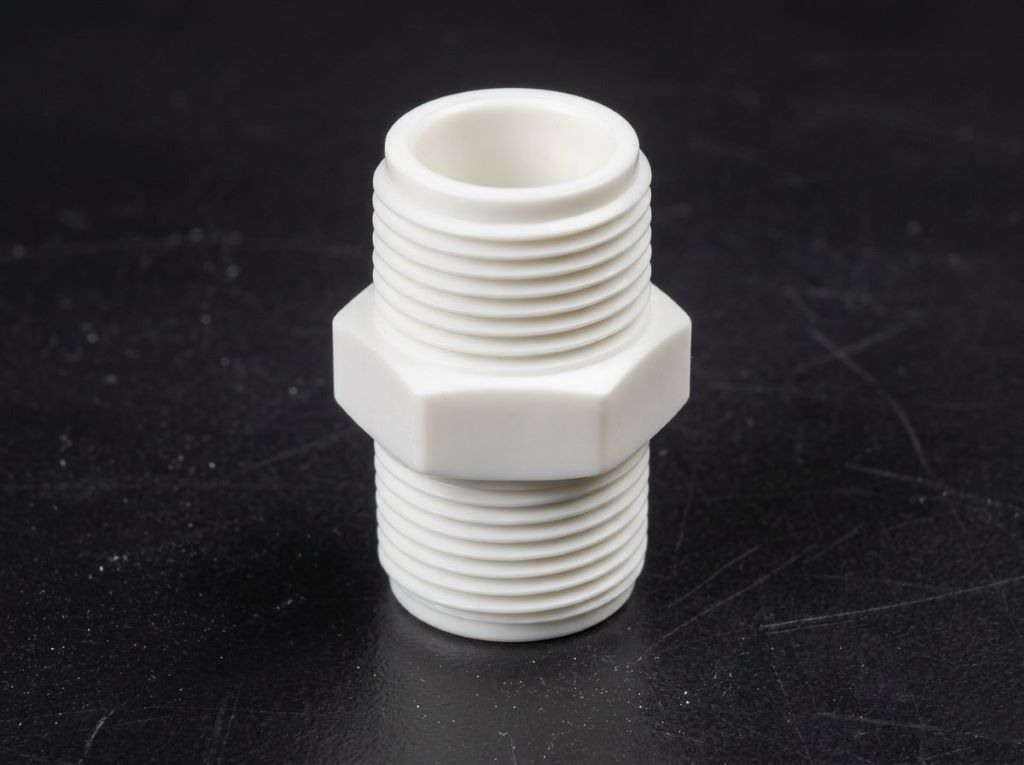
POM (Acetal / Delrin) CNC Machining Services
Typical CNC Machined Parts
POM is widely utilized for manufacturing high-precision gears, rollers, heavy-duty bushings, wear pads, guide components, sliding mechanisms, and custom plastic threaded pipe fittings where exceptional dimensional stability and low friction are critical.
Plastic Machining Precision & Tolerances
POM (Polyoxymethylene) machines cleanly with excellent chip control and maintains outstanding dimensional stability. Our typical precision plastic machining tolerance for standard features is ±0.05 mm, with tighter tolerances achievable on selected dimensions depending on part geometry and comprehensive DFM review.
POM Material & Process Notes
Compared with other engineering polymers, Acetal exhibits extremely low moisture absorption, high mechanical strength, and superior wear resistance. It is the premier choice for custom moving assemblies and fluid handling components that require repeatable, long-term mechanical performance.
Why Choose Zonclair for Custom POM Components
Our expert engineering team produces high-quality, custom CNC turned POM components for factory automation equipment, industrial machinery, and precision fluid control systems, with rigorous attention to thread accuracy, dimensional consistency, and burr-free surface quality.
PTFE (Teflon) CNC Machining Services
Typical CNC Machined PTFE Parts
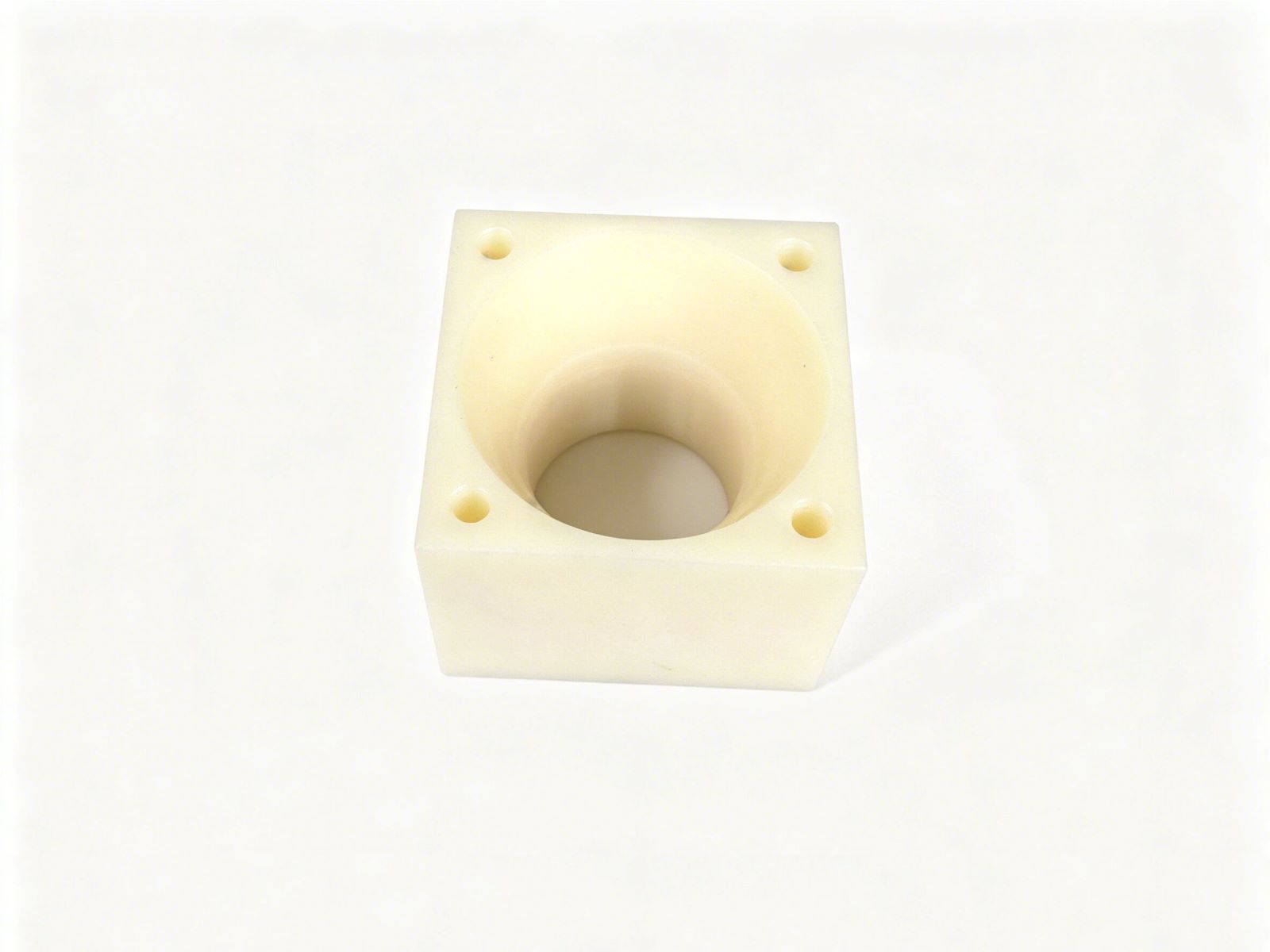
PTFE is highly selected for manufacturing high-performance seals, custom valve seats, chemical-resistant housings, square mounting bases, electrical insulators, and low-friction wear elements.
Overcoming PTFE Machining Precision Challenges
Due to its inherent softness and high flexibility, precision PTFE machining requires specialized sharp tooling and advanced workholding strategies to prevent distortion. We implement rigorous temperature and deformation control to maintain stable tolerances on intricate geometries, including deep cavities and precision countersunk holes.
PTFE Material Properties & Process Notes
PTFE (Fluoropolymer) delivers exceptional chemical inertness and one of the lowest coefficients of friction among all engineering plastics. Our optimized cutting parameters and specialized chip evacuation techniques minimize surface burrs and thermal expansion during the plastic CNC milling process.
Why Choose Zonclair for Custom Teflon Components
We specialize in high-quality, custom CNC milled PTFE components tailored for fluid handling systems, chemical processing equipment, semiconductor tools, and electrical applications requiring extreme corrosion resistance and reliable non-stick performance.
PPS (Polyphenylene Sulfide) CNC Machining Services
Typical Custom PPS Parts
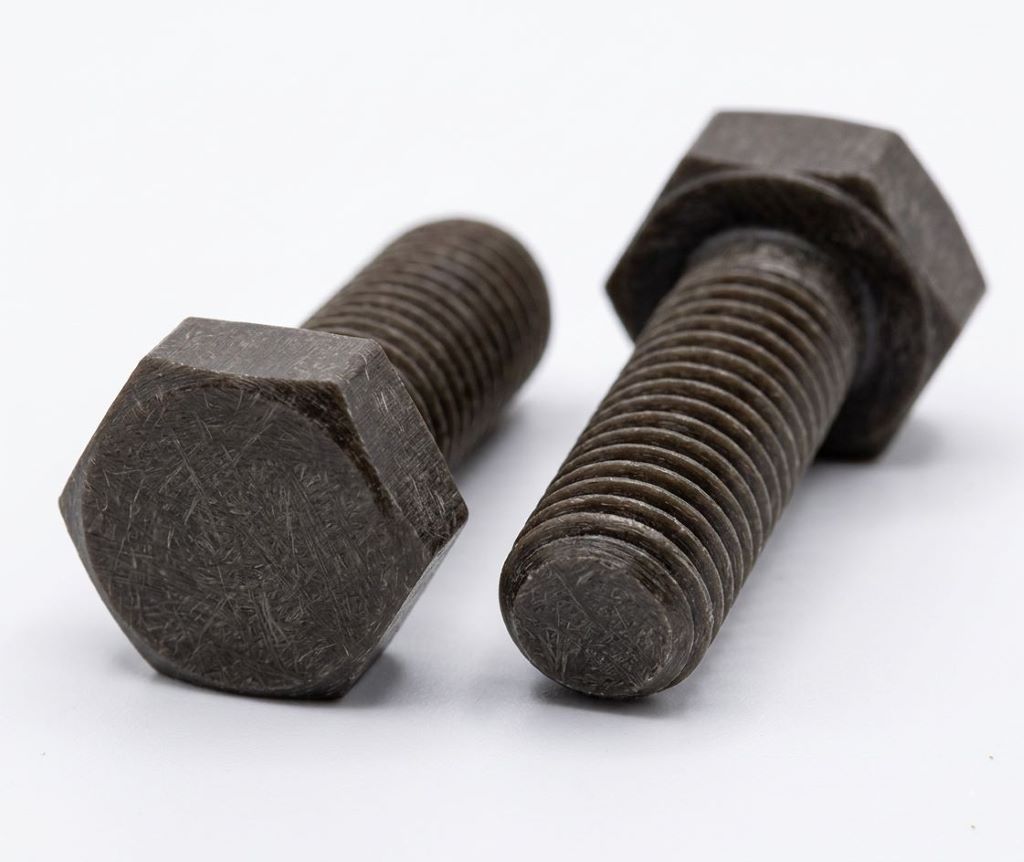
PPS is a premier choice for manufacturing heavy-duty electrical insulation components, semiconductor matrix parts, high-temperature structural components, and custom plastic hex head bolts & fasteners used in corrosive or extreme environments.
Machining Precision for Filled Polymers
PPS offers excellent dimensional stability and superior creep resistance. However, composite grades like carbon-fiber-filled PPS (PPS-CF30) are highly abrasive and prone to chipping. Zonclair utilizes diamond-coated tooling and optimized diamond-turning paths to achieve flawless surface finishes and tight CNC machining tolerances with absolute repeatability.
PPS Material Properties & Process Notes
This high-performance thermoplastic combines exceptional chemical resistance, flame retardancy, and thermal stability up to 200°C+. It maintains its rigid mechanical strength in demanding industrial environments where standard engineering plastics would suffer from severe thermal expansion or dimensional deformation.
Why Choose Zonclair for High-Performance PPS Parts
We provide advanced prototype and full-scale CNC turning and milling for custom PPS parts. Our factory supports high-precision applications in automotive electronics, industrial fluid systems, and critical semiconductor wafer handling equipment.
PEEK (Polyetheretherketone) CNC Machining Services
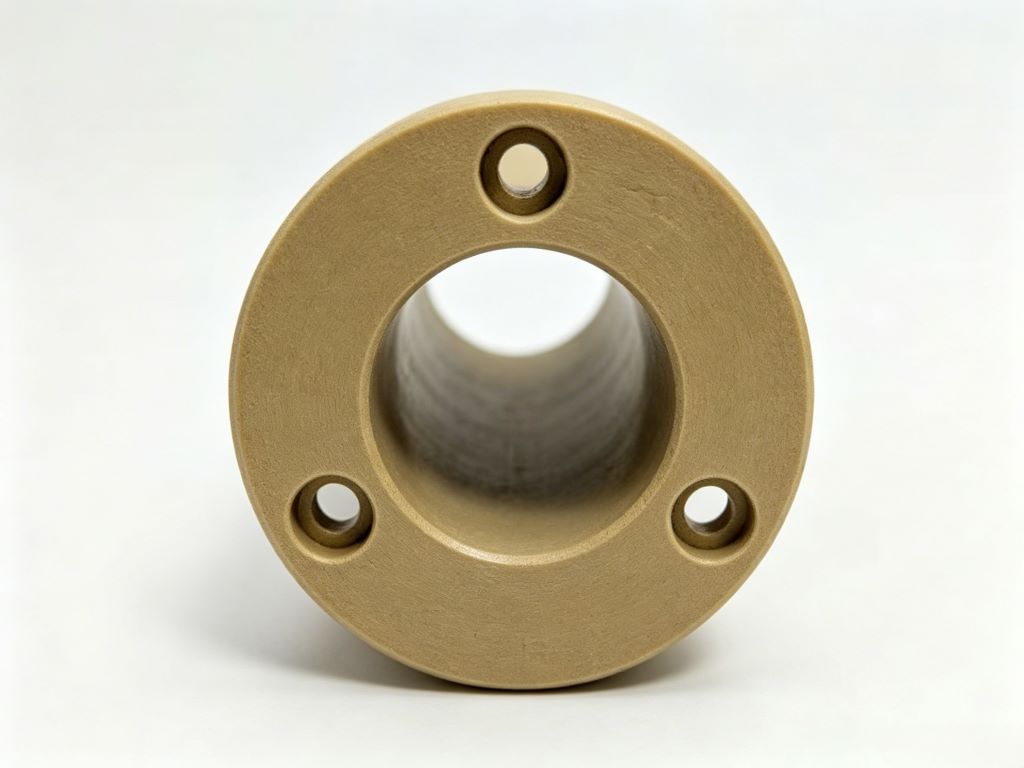
Typical Custom PEEK Components
PEEK is highly specified for manufacturing high-performance mechanical components, semiconductor fixtures, laboratory equipment components, aerospace parts, and custom PEEK flange sleeves & wear-resistant bushings.
Advanced PEEK Machining Precision & Tolerances
PEEK combines excellent machinability with high mechanical strength and exceptional dimensional stability. To prevent internal stress cracking on complex precision components, Zonclair incorporates proper material annealing and optimized feed rates, delivering tight CNC machining tolerances and burr-free surfaces.
PEEK Material Properties & Process Notes
This ultra-performance polymer maintains its exceptional tensile strength across a broad temperature range (up to 250°C+ continuous) while providing outstanding wear resistance, biocompability, and chemical inertness. Our dedicated tooling and carbide cutting strategies are fully optimized to handle unfilled PEEK, glass-filled, and medical-grade PEEK variants.
Why Choose Zonclair for Precision PEEK Parts
We help aerospace, medical device, and semiconductor OEMs manufacture high-precision CNC turned and milled PEEK parts when operational requirements exceed the limits of standard engineering plastics.
Nylon (Polyamide / PA6 / PA66) CNC Machining Services
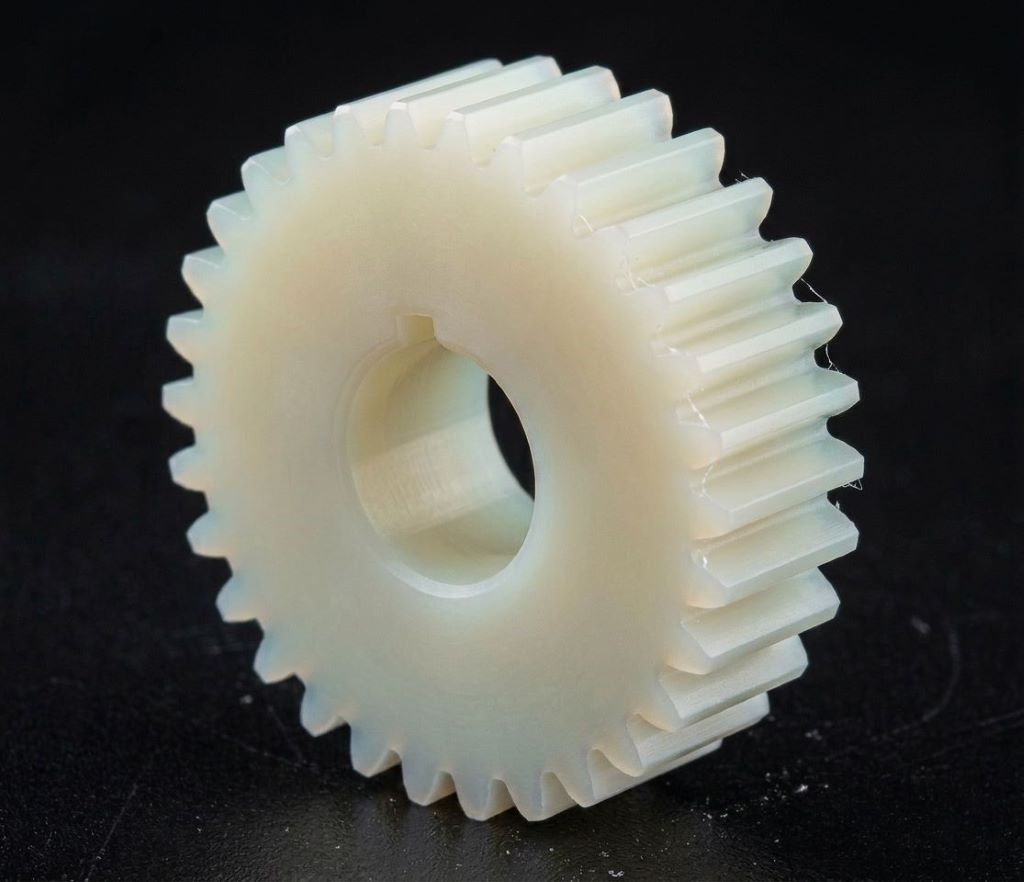
Typical Custom Nylon Parts
Nylon is highly demanded for manufacturing heavy-duty bushings, rollers, wear strips, conveyor guide rails, industrial spacers, and custom precision plastic gears with keyways subjected to repeated impact and mechanical shock.
Nylon Machining Precision & Dimensional Stability
Nylon offers excellent machinability and high mechanical toughness. Our standard precision plastic CNC machining tolerance for Nylon features is ±0.05 mm. Because Nylon absorbs moisture which impacts its dimensional expansion, Zonclair closely monitors workshop humidity and adjusts post-machining moisture conditioning to guarantee tight tolerances on selective critical features.
Nylon Material Properties & Process Notes
Compared with POM (Acetal), Nylon (Polyamide) provides superior impact strength and dampening properties. To deliver the best component performance, we carefully evaluate the specific material grade required—including cast Nylon, extruded PA6, PA66, and MoS2-filled wear-resistant Nylon—during the initial design for manufacturability (DFM) review.
Why Choose Zonclair for Industrial Nylon Components
We manufacture high-durability, custom CNC milled and turned Nylon components tailored for automated conveying systems, packaging machinery, food processing equipment, and heavy-duty industrial wear applications where metal-to-plastic conversion is requested.
Challenges in Plastic CNC Machining
Thermal Expansion
Plastic materials react differently to machining heat than metals and may expand during cutting.
Workholding Deformation
Soft materials can deform under excessive clamping pressure, affecting dimensional accuracy.
Burr Formation
Certain plastics tend to generate burrs that require controlled machining and finishing strategies.
Thin-Wall Stability
Thin sections may be vulnerable to vibration and movement during machining.
Quality Control for Plastic Components
Rigorous Quality Control for Precision Plastic Components
Our quality control workflows are strictly aligned with ISO 9001 standards to ensure international manufacturing consistency.
- First Article Inspection (FAI): Verification of initial setup parts using advanced coordinate measuring machines (CMM) before full production runs.
- In-Process Inspection: Real-time dimensional monitoring at critical machining intervals to maintain absolute batch consistency.
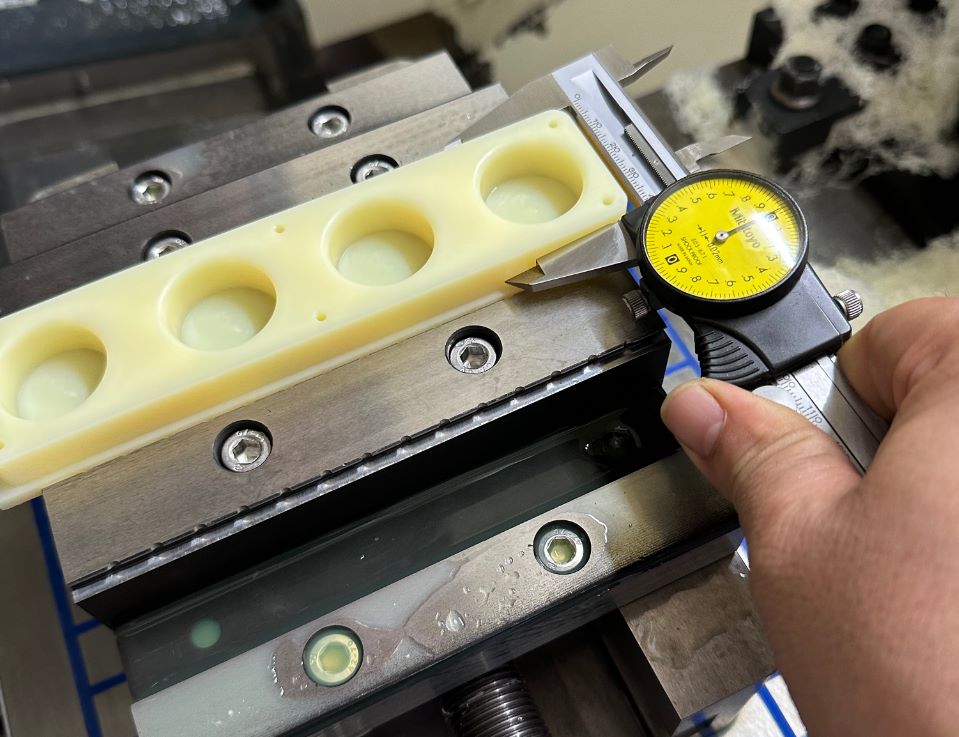
- Final Dimensional Verification: 100% full-scale inspection utilizing high-precision Mitutoyo digital calipers, micrometers, and optical comparators.
- Material Traceability: Complete raw material tracking with certified Mill Test Reports (MTR) to guarantee authentic engineering plastic grades (PEEK, POM, PTFE).
- Surface Quality Inspection: Surface roughness (Ra) verification ensuring burr-free edges and specified finishes.
Our typical precision plastic machining tolerances are maintained at ±0.05 mm for standard geometries. Utilizing stabilized engineering polymers and exhaustive design for manufacturability (DFM) review, tighter technical tolerances can be achieved on selected critical dimensions.
Plastic Surface Finishing Options
Deburring
Removal of machining burrs and sharp edges.
Polishing
Improved surface smoothness and appearance.
Vapor Polishing
Available for selected transparent plastics.
Bead Blasting
Uniform matte appearance for selected engineering plastics.
Edge Breaking
Improved handling safety and assembly performance.